![]() |
New Spanish Pronto Reading PracticeWelcome to the New Spanish Pronto Reading Practice!
This and future issues will discuss a real Spanish-language article, then suggest 10 useful words from the article for you to learn, depending on your current level of Spanish (beginning, intermediate, or advanced). You can read the full article, in Spanish, at: http://www.lavoz.com.ar/09/08/02/secciones/internacionales/nota.asp?nota_id=539010 . ¡Suerte! (Good luck!)
|
|
Sunday, August 2, 2009
The Venezuelan government continues to close media outletsthe ones critical of the governmentusing a variety of pretexts. This established pattern appears likely to continue with more closures in the near future. Say what you like about Hugo Chávez (or what you don’t), but it is clear that whatever the strengths of the Bolivarian Revolution, it must not be strong enough, any longer, to stand up to certain spoken or written words. By silencing its critics, the government will only make Venezuela less vibrant, less democratic, and less strong. It is no wonder that so many Venezuelans have been leaving the country. This past week, the Venezuelan government ordered 34 radio stations to stop broadcasting. This coming week, the attorney general of Venezuela asks the National Assembly to consider her Media Crimes Law, intended, she says, "to regulate freedom of expression" and "the abusive use of freedom of information and opinion." More information about the recent government closure of the 34 radio stations can be found in the following La Voz (Argentina) article: Venezuela: critican cierre de radios. If you are just beginning to learn Spanish, here are a few terms, appearing in the article, that are common enough for you to learn them already:
| ||||||||||||||||||||||
|
||||||||||||||||||||||
|
Notice that days of the week are not capitalized in Spanish. MOST COMMON OR INTERESTING QUESTION RECEIVED RECENTLY ABOUT AN EARLIER READING PRACTICE: This is the second new reading practice, and no one has asked anything yet. Just to make up a question for this time: This article looks very hard to read. Will I ever learn Spanish? These are real news articles read by real, often college-educated, native Spanish speakers. It probably took them 20 or so years of learning Spanish to read at that level, so do not get discouraged if you are not already there after only a few weeks, a few months, or even a few years of trying. Just focus on learning a little more each time, and your Spanish will keep getting better and better. Even though I have been a professional Spanish translator and interpreter for ten years now, part of what I enjoy about researching and preparing the reading practices is that it gives me a chance to continue improving my Spanish. That is also part of what is fun about being a translator. No matter how good you get at something, you never run out of new things to learn! If you are an intermediate student of Spanish, you may not yet know these useful terms from the article:
| ||||||||||||||||||||||
|
||||||||||||||||||||||
|
Even advanced students of Spanish will find many words in the article that might be new to them:
| ||||||||||||||||||||||
|
||||||||||||||||||||||
You can read the full article, in Spanish, at: http://www.lavoz.com.ar/09/08/02/secciones/internacionales/nota.asp?nota_id=539010.
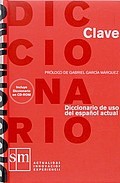
The following books are the best of their kind: The Collins Spanish Unabridged Dictionary is all the Spanish-English/English-Spanish Dictionary you will ever need, but at over 6 pounds, it is quite heavy. English Grammar for Students of Spanish and 501 Spanish Verbs are recommended for beginners. Breaking Out of Beginner’s Spanish is for intermediate students. A New Reference Grammar of Modern Spanish and the Diccionario Clave will be most helpful to advanced students and teachers (and virtually incomprehensible to meaningless for beginners).
The previous reading practice can be read at: http://www.spanishpronto.com/spanishpronto/readingpractice0001.html
For more Spanish information and resources, see the Spanish Pronto! main page.
URL:http://www.spanishpronto.com/spanishpronto/readingpractice0002.html